AFRICA THOUGHT
– News features, commentaries, analyses, interviews & Op-ed.
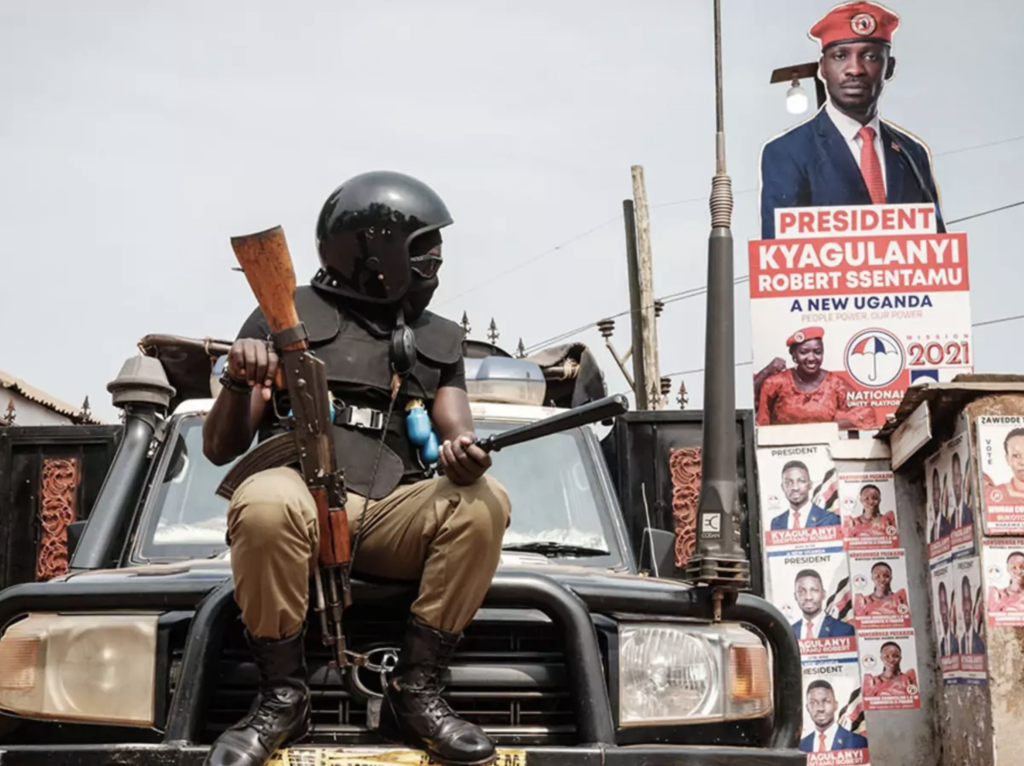
For decades, Western-style democracy has been heralded as a beacon of hope and progress, promising freedom, prosperity, and accountable governance to nations around the world. Yet, as the 21st century unfolds, a stark and complex reality emerges across the vast and diverse continent of Africa. The lofty expectations associated with the spread of democratic ideals have too often met harsh and sobering truths on African soil.
While democracy remains a cherished aspiration for many African nations, the journey towards achieving it has been marked by challenges and unmet promises.
Recent events in Africa where citizens troop to the streets in their numbers to celebrate the ousting of a supposed democratic order has brought the profound question of whether Western-style democracy has failed in Africa?
In navigating this inquiry, we delve into the nuances of political, cultural, and economic realities on the continent to understand how the transplantation of Western democratic principles has fallen short of delivering on its lofty pledges. From issues of governance and political stability to economic disparities and the preservation of cultural values, this exploration aims to shed light on the intricate relationship between Africa and the democratic ideals it continues to grapple with. There are inherent weaknesses and flaws in the western model of democracy being practiced in Africa and this is why it is failing, this is why it has failed.
Western Democracy is Imposed Democracy
Western styled democracy in itself is alien to Africa. This colonial legacy in Africa plays a significant role in explaining why Western-style democracy is failing in the continent. European colonial powers, during their dominance of Africa in the late 19th and early 20th centuries, imposed their political and administrative structures on the African nations they colonized. These structures were often designed to serve the interests of the colonial powers rather than the well-being of the indigenous populations. As a result, when African countries gained independence, they inherited political systems that did not necessarily reflect their unique cultural, social, and historical realities.
The impositions of Western ethos, including Western-style democracy, on Africa, have produced distortions because culture, history, and local values are crucial factors in any development and governance framework. The Western model of democracy, with its emphasis on individualism, has not always aligned with the communal values and collective decision-making processes prevalent in many African societies. This misalignment has led to a disconnect between the democratic system and the cultural values of the local population.
It is a fact that Western-style democracy was not designed to reflect the specific cultural, social, and political realities of African countries. It often assumes a level of political maturity, civic engagement, and institutional robustness that does not exist in newly independent African nations. As a result, the transplantation of this system has resulted in inefficiencies and challenges in its implementation.
One of the consequences of this disconnect between Western-style democracy and local realities has been the emergence of inefficient and often corrupt political systems. In most cases, political elites have exploited the weaknesses in the system for personal gain, leading to corruption and the misappropriation of resources.
Prior to colonization, many African societies had governance systems that suited their cultural and traditional contexts. These systems often included mechanisms for conflict resolution, consensus-building, and community participation. The imposition of Western-style democracy disrupted these traditional systems and, in many cases, led to the marginalization of indigenous governance structures.

Western Democracy is Monetized Democracy and Monetized democracy breeds underdevelopment
Monetization is a feature of Western democracies and this has indeed raised concerns regarding its impact on development and governance. In the practice of Western democracy, the heavy influence of money in politics has led to several issues. One of the most significant problems is the transactional nature of politics, where politicians often prioritize the interests of wealthy donors or corporations over the needs of the general population. This has resulted in policies that favor the rich and powerful, neglecting the concerns of ordinary citizens.
The dirtiness of Election financing in these systems also plays a crucial role. High campaign costs make politicians heavily reliant on donations and looting and as a consequence, politicians have prioritized fundraising over policymaking. This has led to policies that don’t address the needs of the average citizen effectively. Moreover, the monetization of politics has been a reinforcer of income inequality in Africa, as those with more financial resources have greater influence in shaping policies. This further deepens societal divisions and hampers equitable development.
Another significant issue is the prevalence of short-term thinking among politicians. In a monetized democracy, politicians may focus on short-term gains to secure campaign funding and re-election rather than implementing long-term, sustainable policies. This shortsightedness has hindered meaningful development efforts. Wealthy interests shield politicians from accountability, as they may have the means to manipulate public opinion and resist investigations, further eroding the principles of transparency and fairness that has hampered development on the African continent.
This Western-style democracy’s emphasis on monetization and individualism has posed significant challenges in many African contexts. It does not align with the socio-economic and cultural realities of African nations. The monetization of politics in Western democracy created a breeding ground for corruption in Africa as evidenced in how high campaign costs lead politicians to seek financial support from wealthy individuals, corporations, or even engage in corrupt practices to amass the funds needed for elections. This financial dependence on external or potentially corrupt sources compromises the integrity of the democratic process, erode transparency, and undermine public trust.
The Zero Sum Game is hurting Africa
The zero-sum game politics often associated with Western democracy is alien to Africa due to fundamental differences in political traditions, cultural values, and historical contexts. Western democracy, in some cases, tends to frame politics as a competition where one party’s gain is another’s loss, which can clash with African perspectives in several ways.
Many African societies had a tradition of consensus-building and inclusive decision-making. Decision-making in these cultures often involves dialogue, negotiation, and compromise to ensure that diverse perspectives are considered. In contrast, Western democracy’s winner-takes-all approach has sidelined minority voices and discouraged cooperation, which has not align with African values of community and unity.
Zero-sum politics have also contributed to political polarization, a situation where opposing parties or groups view each other as adversaries rather than partners. In Africa, where many countries are ethnically or tribally diverse, this has been especially problematic and a source of political instability.
It does not make sense for a candidate or party who scored 37% of the votes cast in an election to make 100% of the decisions. It has never made sense. This brings us to one of the worse sides of the western model of democracy practiced in Africa.
Elections are the More You Look, the Less You See
Aside the outrageously expensive costs of conducting elections, free, fair and credible elections within the context of western democracy in Africa has continued to be a myth.
People do not choose their leaders. Vote-rigging and electoral irregularities has been a recurring shadow over elections in various African countries, raising serious concerns about the extent to which Africans can genuinely choose their leaders within the framework of Western-style democracy. This trend is not limited to specific regions; it has spread across the African continent, reinforcing the growing perspective about whether democracy, as practiced in many African nations, is truly serving the interests of the people.
These incidents of “Wonders shall never end” in elections have eroded public trust in this variant of democracy and has left many questioning the legitimacy of the leaders who emerged from this process. The inability to choose leaders freely and fairly underlines the complexities and shortcomings in the implementation of Western-style democracy on the continent. The sometimes overt and oftentimes covert endorsement of these shameful elections by the so-called developed democracies have further deepened this frustration. For years, Many africans have watched the west turn a blind eye to the bastardization of the democratic process. This is why western model of democracy in Africa has become a “Democracy for Show”. This way, It doesn’t matter what went on in the process, as long as there was a process, it is deemed fine. Africa cannot develop with such a system.
Western Democracy is illusionary
There are so many illusions and contradictions inherent in the practice of Western democracy that is inimical to public good. One of such flaws is in its insistence on the majority. The majority are not always right but western model of democracy wants the majority to carry the vote. Like Marcus Aurelius once said, the opinions or choices of the majority are of no value if none of them know anything about the subject. The votes of 10 million dumb heads shouldn’t be more important than the votes of 2 smart heads. No matter what, the opinion of 1 million plumbers can never be more important than the opinion of 1 good doctor when the issue is health related. The same way the opinion of 1 million doctors cannot be more important than the opinion of 1 plumber when the issue is about pipes. Western model of democracy has replaced doctors for plumbers and plumbers for doctors. With such a system, nothing will be fixed.
What’s the Way Forward?
It was the former Chinese leader Deng Xiaoping who stated that It doesn’t matter whether a cat is black or white, as long as it catches mice, it is a good cat. For Africa, Western style of democracy is not catching the mice, it is not living up to the expectations of the people. A new cat has to be brought in.
The growing public support for the resurgence of military coups in Africa clearly demonstrates the failure of democracy as it is practiced in Africa. Proponents may argue that democracy should be reformed rather. Again, this is one of the contradictions of western democracy as it places the responsibility of reforms in the hands of the actors who had messed up the system. How will that be possible ?
Africa needs governance systems that are peculiar to their distinct realities. Democracy itself is not an exclusive property of the West and people don’t have to practice the western variant of democracy before they can be adjudged as politically developed. Now is the time to have these conversations and either return to traditional African governance systems or fashion out a system for Africa, by Africans.
Newsletter
Subscribe to our bi-weekly newsletter and be the first to Receive New Updates.
Your comments, ideas, and thoughts matter.
Drop us a line: